
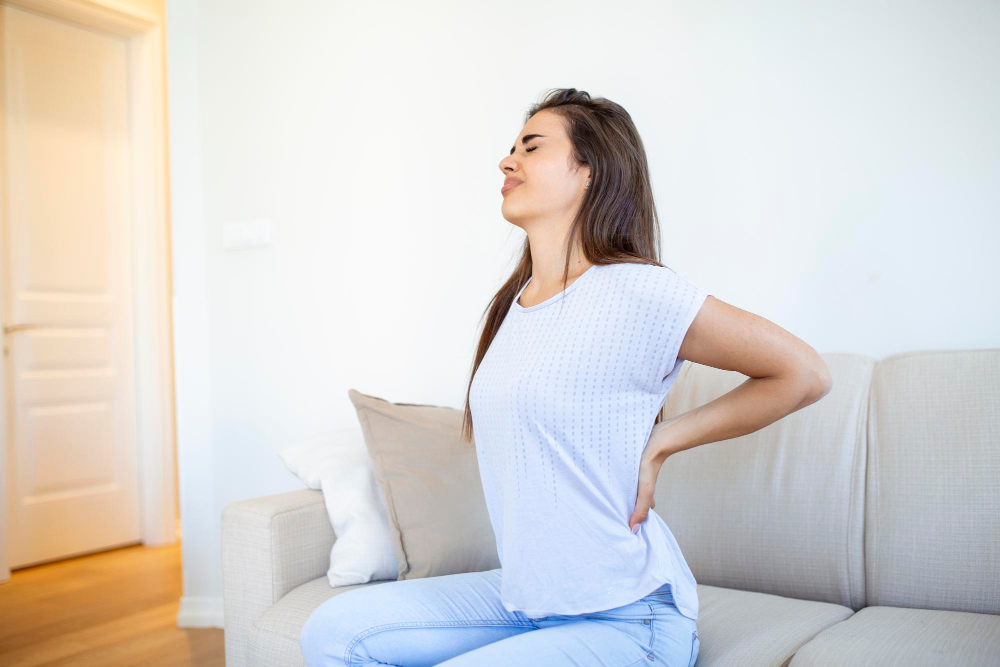
How to Reduce Back Pain Naturally at Home
Back pain is one of the most common problems people face in daily life. It can happen because of long sitting hours, poor posture, muscle strain, stress, weak muscles, or sleeping in the wrong position. The good news is that many cases of mild to moderate back pain can be managed at home with simple natural methods. If you are looking for how to reduce back pain naturally at home, the key is to use a combination of movement, posture correction, stretching, and self-care.
Natural back pain relief does not always mean doing something complicated. In many cases, small daily habits can make a big difference. A warm compress, gentle exercise, better sleep support, and simple stretching can help reduce discomfort and improve flexibility. The goal is not only to ease pain but also to prevent it from coming back again and again.
Understand What May Be Causing the Pain
Before treating back pain, it helps to understand what may be causing it. If the pain started after lifting something heavy, sitting too long, or sleeping in an awkward position, it may be related to muscle strain or stiffness. Poor posture, lack of movement, and stress can also make the back feel tight and sore.
Knowing the cause helps you choose the right home remedies for back pain. For example, cold therapy may help fresh pain or swelling, while heat is often better for tight muscles and stiffness. If you understand the trigger, it becomes easier to manage the pain naturally and safely.
Use Heat and Cold Therapy
One of the easiest ways to reduce back pain naturally at home is to use heat or cold. A cold pack can help when the pain is new or when there is inflammation. Wrap the ice pack in a cloth and apply it for 15 to 20 minutes at a time.
After the first day or two, or when the muscles feel tight, a warm compress or heating pad may bring more relief. Heat improves blood flow and helps relax stiff muscles. Many home care guides recommend both heat and cold as simple and effective options for back pain relief at home.
Try Gentle Stretches
Gentle stretching can help loosen tight muscles and improve movement. Do not force any stretch, and avoid sudden twisting or bending if it increases the pain. Easy stretches such as knee-to-chest, pelvic tilts, cat-cow, and lower back twists can be useful for mild discomfort.
Stretching works best when done slowly and consistently. A few minutes in the morning and evening can help reduce stiffness and support better mobility. If any movement causes sharp pain, stop right away and choose a gentler option.
Keep Moving Lightly
It may feel like complete rest is the best solution, but too much rest can sometimes make back pain worse. Light movement such as walking, gentle yoga, or simple mobility exercises can help keep muscles from getting tighter. Movement also supports blood flow, which may help the body recover faster.
You do not need a hard workout. Even a short walk around the house or a few minutes of gentle activity can help reduce stiffness. For many people, regular movement is one of the most effective natural remedies for back pain.
Improve Your Posture
Poor posture is a common reason for back pain, especially for people who work on laptops, sit for long hours, or spend time looking down at phones. Sitting in a slouched position puts extra stress on the lower back and can lead to ongoing discomfort.
To improve posture, sit with your back supported, keep your feet flat on the floor, and position your screen at eye level. If you work at a desk, take short breaks every 30 to 45 minutes to stand, stretch, and walk. Small posture changes throughout the day can reduce pressure on your spine and help prevent future pain.
Use Massage and Self-Care
A gentle massage may help relax sore muscles and reduce tension. You can use your hands, a massage ball, or a foam roller on the tight areas. Keep the pressure light, especially if the pain is fresh or sensitive.
Some people also use topical natural balms or warming rubs for temporary comfort. These products may help create a soothing effect, especially when combined with stretching and rest. Massage is often a helpful part of a natural back pain relief routine.
Support Better Sleep
Your sleeping position can affect back pain more than you may realize. A mattress that is too soft or too hard may increase discomfort. Try sleeping on your side with a pillow between your knees, or on your back with a pillow under your knees to reduce pressure on the spine.
Good sleep support is an important part of how to relieve back pain naturally. If your sleep setup is not comfortable, even the best stretches and remedies may not give lasting relief. A supportive pillow and mattress can make a noticeable difference over time.
Stay Hydrated and Eat Well
Drinking enough water is important for muscle health. Dehydration can make muscles feel tighter and more uncomfortable. Staying hydrated throughout the day supports overall recovery and helps your body function better.
A balanced diet can also help reduce inflammation. Many people include foods like ginger and turmeric in their wellness routine because they are commonly associated with natural comfort and recovery. While food alone will not fix back pain, it can support the body as part of a healthy lifestyle.
When to Seek Medical Help
Home remedies work well for mild back pain, but some symptoms need medical attention. See a doctor if the pain is severe, lasts for several weeks, spreads down the legs, or comes with numbness, weakness, fever, or bladder and bowel problems. Back pain after an accident or injury should also be checked.
Natural care is helpful, but it should not replace medical advice when warning signs appear. If your pain keeps returning or gets worse, a doctor can help find the cause and suggest the right treatment.
Final Thoughts
Learning how to reduce back pain naturally at home is mostly about building simple habits that support your body. Heat or cold therapy, gentle stretching, light movement, posture correction, massage, hydration, and proper sleep support can all help ease discomfort. These methods are easy to follow and can be part of your daily routine.
Back pain often improves when you address it early and stay consistent with healthy habits. With the right approach, you can reduce pain naturally, feel more comfortable, and protect your back from future strain.
Frequently Asked Questions
What is the fastest natural way to reduce back pain at home?
Using a cold pack for new pain or a warm compress for stiffness is often one of the fastest natural ways to get relief.
Is walking good for back pain?
Yes, gentle walking can help reduce stiffness and improve blood flow without putting too much pressure on the back.
Which stretch is best for lower back pain?
Knee-to-chest stretches, pelvic tilts, cat-cow, and lower back twists are commonly used for mild lower back pain relief.
Can poor posture cause back pain?
Yes, poor posture is one of the most common causes of back pain, especially for people who sit for long hours.
When should I see a doctor for back pain?
You should seek medical help if back pain is severe, persistent, caused by injury, or comes with numbness, weakness, fever, or bladder or bowel issues.
COMMENTS